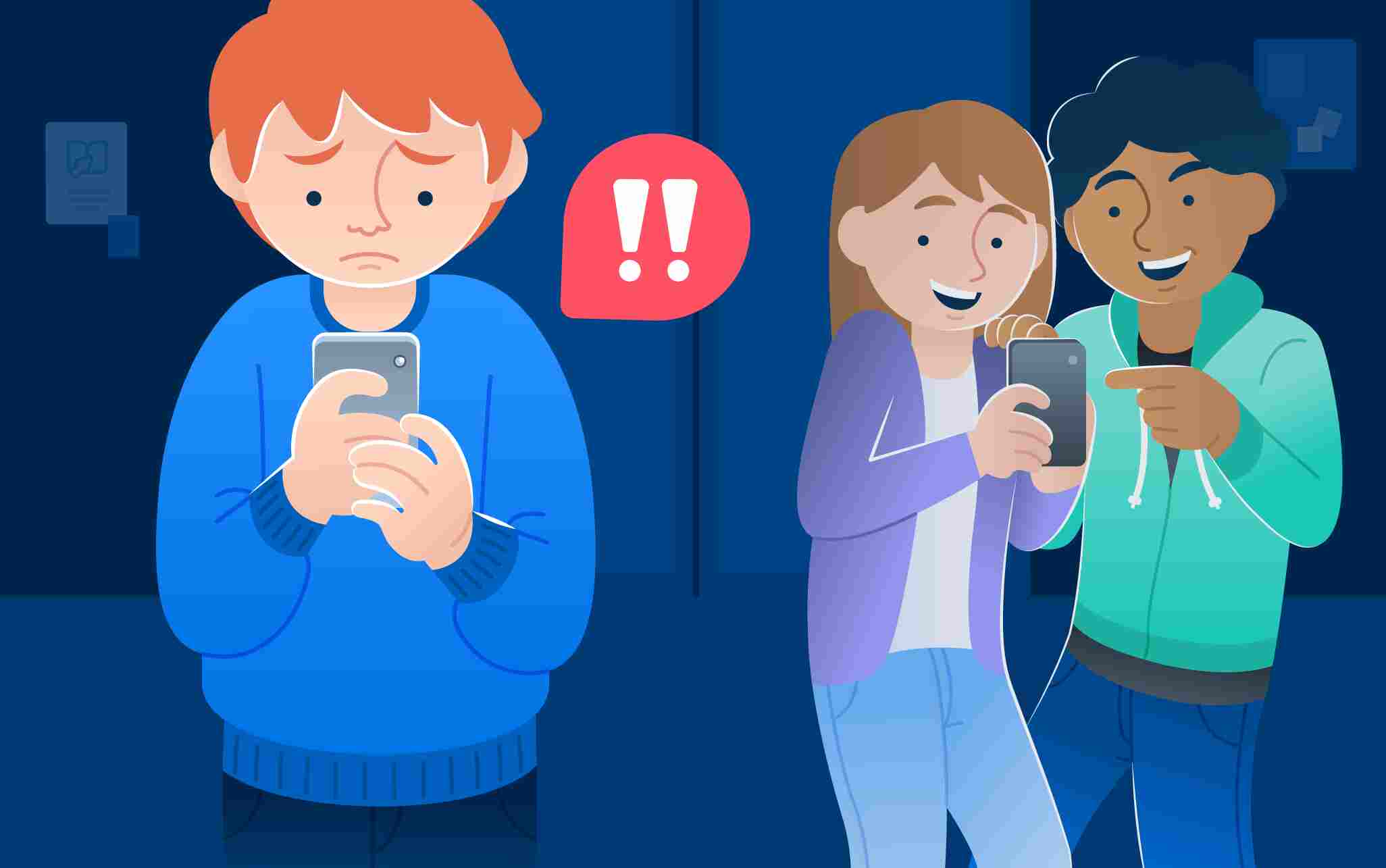
⚠️Cyberbullying is a serious crime under Indian law with severe penalties including imprisonment up to 5 years and fines up to ₹10 lakh. This guide explains your legal rights and remedies.
Cyberbullying Legal Statistics in India
⚖️
3 years
Maximum Imprisonment (Section 66E)
💰
₹10 lakh
Maximum Fine (Section 67)
🔒
5 years
Repeat Offence Penalty
🌐
24/7
Online Complaint Portal Availability
Introduction: Cyberbullying Is a Crime, Not Just Misbehavior
In today's digital age, where personal interactions often happen online, a new kind of threat has emerged—cyberbullying. It's not just teenage drama or workplace teasing; cyberbullying causes real emotional, psychological, and even physical harm. And most importantly, cyberbullying is punishable under Indian law.
Whether it's hurtful messages on social media, threats via email, or sharing someone's private images without consent—these acts fall under various cyberbullying laws in India. This blog dives deep into what cyberbullying means, its legal consequences, and how victims can seek justice.
✅- No more silence: Speak up against online harassment
- No more confusion: Learn the specific laws and punishment for cyberbullying in India
- No more fear: Get legal guidance on how to file a complaint and stay protected
If you or someone you know is experiencing cyberbullying, this blog offers the legal clarity and emotional strength to take action.
Understanding Cyberbullying: What Counts As Online Harassment?
Cyberbullying refers to using digital platforms to threaten, harass, intimidate, or shame someone. It often involves repetitive, targeted behavior meant to cause distress. Victims may be children, students, women, working professionals, or anyone active on digital platforms.
Here are some common examples of cyberbullying in India:
🚨 Common Forms of Cyberbullying
- Sending threatening or abusive messages repeatedly
- Defaming someone through posts, memes, or morphed images
- Creating fake accounts to impersonate or defame
- Non-consensual sharing of private content (including revenge porn)
- Online stalking or persistent monitoring of someone's activity
Every citizen has the right to dignity and privacy. When someone violates this through digital means, they can be charged under multiple cybercrime laws in India.
Cyberbullying Laws in India: Key Sections to Know
Cyberbullying is not covered under a single dedicated law, but a combination of the Information Technology Act, 2000 and the Indian Penal Code (IPC) is used to prosecute offenders. Below are the most commonly used sections:
| Legal Section | Description | Applicable To |
|---|
| Section 67 IT Act | Publishing or transmitting obscene content online | Obscene materials, morphed images |
| Section 66E IT Act | Violation of privacy by capturing or transmitting private images | Revenge porn, private image sharing |
| Section 354D IPC | Stalking, including online following or unwanted contact | Online stalking, persistent harassment |
| Section 509 IPC | Insulting the modesty of a woman online | Gender-based harassment |
| Section 503 IPC | Criminal intimidation via digital means | Threats, intimidation online |
Depending on the nature of the crime, the offender can face fines, imprisonment, or both. It's important to consult a cybercrime lawyer to evaluate which section applies in your specific case.
Punishment for Cyberbullying in India
The punishment for cyberbullying in India depends on the sections invoked and the severity of the crime. Here's a comprehensive overview of the penalties:
❌- Section 66E: Up to 3 years imprisonment or fine up to ₹2 lakh, or both
- Section 67: Up to 3 years for first conviction, 5 years for subsequent offences
- Fines: ₹5 lakh to ₹10 lakh depending on severity
⚠️- Section 354D: 3 years for first offence, up to 5 years for repeat
- Section 509: Up to 1 year imprisonment or fine, or both
- Section 503: Up to 2 years imprisonment or fine, or both
The government and courts take cyberbullying seriously. Even minors can be booked under the Juvenile Justice Act in serious cases.
💡If you've been harassed online, don't ignore it. Know that cyberbullying is a punishable offence in India and action can be taken swiftly with proper evidence.
How to File a Complaint Against Cyberbullying
Filing a complaint is not as complicated as it may seem. The Indian government has made multiple channels available for victims of online harassment. Here's the step-by-step process:
Cyberbullying Complaint Process
1
Collect Evidence
ImmediateGather all proof—screenshots, emails, links, chat history, URLs, and timestamps.
2
File Online Complaint
1-2 hoursSubmit complaint at National Cyber Crime Reporting Portal (cybercrime.gov.in).
3
Visit Police Station
2-4 hoursAlternatively, visit local police station and file an FIR with evidence.
4
Legal Consultation
1-2 daysContact a cyber lawyer to ensure case is presented correctly and legally sound.
✅Women and children can file complaints anonymously as well. The platform is secure and designed to protect the victim's identity.
📞 Emergency Contact Information
- National Cyber Crime Helpline: 1930
- Women Helpline: 181
- Child Helpline: 1098
- Online Portal: cybercrime.gov.in
Cyberbullying Laws Protecting Women and Children
While cyberbullying affects all demographics, women and children are particularly vulnerable. To address this, the Indian government has issued additional legal provisions to safeguard them specifically from digital abuse and harassment.
✅- POCSO Act: Applies if minor is involved and content is sexual/abusive
- Mandatory Reporting: Schools and parents must report abuse
- Anonymous Complaints: Special provisions for child safety
💡- Section 354A IPC: Online sexual harassment (up to 3 years imprisonment)
- Section 354C IPC: Voyeurism and secret image capture
- NCW Portal: Dedicated complaint system by National Commission for Women
Moreover, India's National Commission for Women (NCW) provides a dedicated complaint system for women facing cyber abuse. Schools and parents are also advised to take preventive steps, educate children, and monitor online activity.
Real-Life Cyberbullying Cases in India
Understanding legal provisions is easier when you see them in action. Here are some notable cyberbullying cases in India that created headlines and set legal precedents:
Bulli Bai App Case (2022)
A fake auction app targeted Muslim women using their photos without consent. The culprits were arrested under IPC and IT Act provisions, highlighting how seriously cyber harassment is treated.
Instagram Bois Locker Room Case
A group of boys shared explicit photos of classmates and talked about rape. The incident led to widespread outrage and arrests under POCSO and IPC sections, showing protection for minors.
Online Stalking of Celebrities
Several Bollywood actresses including Anushka Sharma and Radhika Apte reported harassment and threats on social media. FIRs were lodged under cyber laws, demonstrating that celebrity status doesn't exempt perpetrators from punishment.
These examples show that online harassment does not go unpunished—Indian cyber law enforcement is slowly but steadily becoming stronger.
Rights of Victims: What You Can Do
If you are a victim of cyberbullying, you have several legal rights and support options. Here's what you can do:
🛡️ Your Legal Rights
- Right to Privacy: You have the right to keep your private information safe
- Right to Report Anonymously: Especially for women and minors, anonymous reporting is allowed
- Right to Legal Counsel: Every citizen can approach cybercrime lawyers for representation and advice
- Right to Compensation: Victims can demand compensation from offenders for mental trauma and reputational damage
The law is on your side. You don't need to suffer in silence. Speak up, collect evidence, and seek the help of legal experts to ensure that justice is served.
⚠️- Don't let fear or shame silence you. Speak out.
- Don't delete the evidence—collect it smartly.
- Don't ignore the law—use it to protect yourself.
Facing Online Harassment? Get Legal Help Now
At JuriGram, our cybercrime legal team helps victims across India fight back with expert strategy, evidence handling, and emotional strength. Don't suffer in silence - take action today.