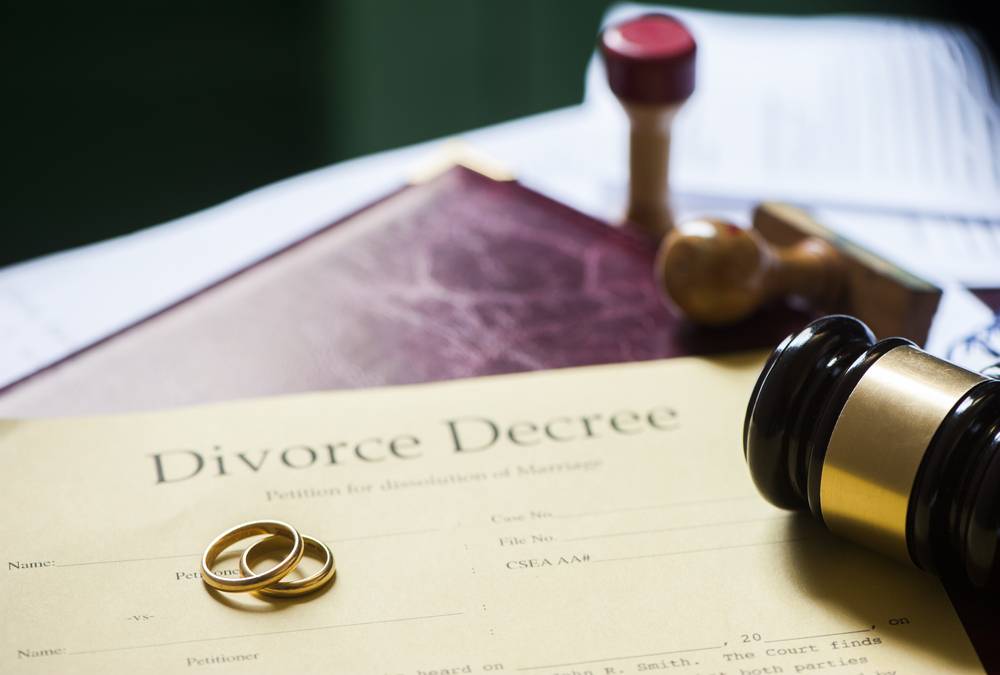
💡One of the most common misconceptions is that couples automatically get divorced after living separately for 2 years. This is completely false under Indian law.
Divorce Legal Requirements Statistics
🤝
6 months
Mutual Divorce Timeline
⏰
2+ years
Separation Required for Divorce
❌
Zero
Automatic Divorces in India
📊
5000+
Cases Handled Annually
Introduction: The Truth About Automatic Divorce After 2 Years
One of the most common misconceptions in family law is the belief that if a couple stays apart for two years, their marriage is automatically dissolved. People often ask lawyers about automatic divorce after 2 years in India, assuming separation alone can end the marital bond. However, this is a myth. Indian law does not recognize automatic divorce under any circumstances, including long separation.
Divorce in India can only be granted by a competent court under the provisions of the Hindu Marriage Act, 1955,Special Marriage Act, 1954, or personal laws applicable to other communities. Even if spouses live separately for two years or more, they must formally approach the court to obtain a decree of divorce.
⚠️- No Automatic Divorce: Separation does not itself terminate marriage
- Legal Requirement: A petition must be filed in family court
- Judicial Oversight: Only a judge can dissolve a marriage
The idea of automatic divorce after 2 years in India may sound convenient, but it contradicts the very foundation of Indian matrimonial law, which prioritizes judicial scrutiny to protect rights of both spouses and children.
In the following sections, we'll explore the legal minimum separation requirement, recent changes in law, and the latest Supreme Court new rules for divorce that directly affect couples seeking relief.
Minimum Separation Period for Divorce in India
The concept of minimum separation period for divorce in India often creates confusion. Unlike the myth of automatic divorce after two years, the law requires certain periods of separation before a divorce petition can be entertained, depending on whether the divorce is mutual or contested.
Here's how it works:
✓ Mutual Divorce
Under Section 13B of the Hindu Marriage Act, 1955, spouses must live separately for at least one year before filing. Additionally, there is a six-month "cooling off" period after filing, though the Supreme Court has ruled this can be waived in exceptional cases.
⚠ Contested Divorce
For grounds like desertion, the petitioner must prove the other spouse abandoned them for a minimum of two years before filing. But again, this does not mean divorce is automatic—court intervention is mandatory.
ℹ Special Marriage Act
Similar provisions apply, requiring at least one year of marriage before seeking divorce.
Therefore, while two years of desertion is a valid ground, it does not equate to automatic divorce after 2 years in India. The party seeking divorce must approach the court, prove desertion, and secure a formal decree.
This distinction is vital: separation is only a ground, not a conclusion. Indian law ensures both spouses get an opportunity to present their side before marriage is dissolved.
⚠️Example: If a husband leaves his wife and stays away for 3 years, the wife cannot remarry unless she obtains a divorce decree. Otherwise, it would be treated as bigamy under IPC 494.
Thus, the minimum separation period for divorce in India is a precondition, not an automatic result.
Confused About Divorce Laws?
Get clear guidance on separation periods, divorce grounds, and legal procedures from experienced family law advocates.
New Divorce Rules in India
Over the years, Indian matrimonial laws have undergone reforms to adapt to changing social realities. When people search for new divorce rules in India, they often expect a simplified or automatic mechanism like in some Western countries. However, India maintains a cautious approach, balancing personal freedom with social stability.
Some of the significant new developments include:
⚡ Waiver of Cooling Period
In 2017, the Supreme Court ruled that the six-month cooling-off period in mutual divorce cases can be waived if reconciliation is impossible.
⚖️ Irretrievable Breakdown of Marriage
In 2023, the Supreme Court exercised powers under Article 142 of the Constitution to grant divorce even without mutual consent if the marriage is completely broken.
📱 Recognition of Digital Evidence
WhatsApp chats, emails, and social media activity are now admissible in proving cruelty or desertion.
Despite these changes, no law or judgment recognizes automatic divorce after 2 years in India. The legal process remains mandatory.
Those searching for new divorce rules in India should understand that the law continues to evolve, but always under judicial supervision to safeguard fairness and justice.
Supreme Court New Rules for Divorce
Many people mistakenly believe that the Supreme Court has introduced provisions for automatic divorce after 2 years in India. In reality, the Court has never recognized automatic dissolution. However, the judiciary has introduced important clarifications and relief mechanisms in recent years that reshape divorce law in India.
Key Supreme Court rulings include:
Waiver of Waiting Period (2017)
In Amardeep Singh v. Harveen Kaur, the Court held that the six-month waiting period in mutual consent divorce is not mandatory. If reconciliation is impossible, courts can waive it.
Irretrievable Breakdown of Marriage (2023)
In Shilpa Sailesh v. Varun Sreenivasan, a Constitution Bench held that the Supreme Court can grant divorce directly under Article 142 if the marriage has completely broken down.
Digital Evidence Admissibility
Courts now recognize WhatsApp messages, emails, and call recordings as valid evidence in proving cruelty or desertion.
Gender-Neutral Stance
Both husbands and wives can equally seek divorce on grounds such as desertion, cruelty, or adultery. The Court has emphasized equality of rights.
What this means is that while automatic divorce after 2 years in India remains a myth, the Supreme Court has created faster, more flexible procedures to help couples stuck in dead marriages.
"The purpose of marriage law is not to force parties into a relationship that has completely broken down, but to ensure fairness when ending it."
Couples should note that unless the Supreme Court or Parliament passes a clear law on automatic divorce, all dissolutions must still be through judicial decree. However, the Supreme Court new rules for divorcehave given hope for quicker justice.
You can refer to authentic updates directly on the Supreme Court of India website, where new judgments are published regularly.
New Rules for Divorce in India 2026
As India evolves socially and legally, people often search for new rules for divorce in India 2026. While there is no official 2026 legislation yet, ongoing discussions suggest reforms may arrive in the coming years, making divorce faster and less complicated.
Possible reforms that could be part of 2026 updates include:
🚀 Expected Future Reforms
⏱️Reducing Separation Periods: Lawmakers are considering whether the mandatory one-year separation for mutual divorce can be shortened.
💻Streamlined Digital Hearings: COVID-19 accelerated online court hearings. By 2026, full e-courts for family disputes may be operational, reducing delay.
📋Automatic Filing Systems: Draft proposals in legal circles suggest that after a minimum separation period, couples might be able to auto-file divorce petitions digitally, subject to judicial approval.
⚖️Irretrievable Breakdown as a Ground: Parliament may finally add "irretrievable breakdown of marriage" as a statutory ground, aligning with Supreme Court rulings.
Even if such changes occur, it is unlikely India will ever recognize automatic divorce after 2 years. At best, separation will remain a strong ground, but a family court or the Supreme Court will still need to grant the decree.
Therefore, when people ask about new rules for divorce in India 2026, they should expect reforms focused on efficiency and digitalization, not automatic divorce.
💡Divorce laws in India are meant to protect the weaker spouse and children. Any future reforms will balance speed with fairness.
For individuals considering divorce in the coming years, keeping track of reforms in Parliament and the Law Commission's recommendations is crucial. Updates will also be published in national dailies and the Law Commission of India website.
Case Studies: How Separation Period Impacts Divorce
To better understand why the myth of automatic divorce after 2 years in India persists, let us examine a few real-world case situations:
📋 Case 1 – Desertion
A wife was deserted by her husband for three years. She believed she was free to remarry. When she remarried without a decree, her second marriage was declared void, and she faced charges under IPC Section 494 for bigamy. The court clarified that desertion is a ground, not automatic divorce.
⚡ Case 2 – Mutual Consent Waiver
A couple lived separately for two years and filed for mutual divorce. Normally, they would wait six more months, but the Supreme Court waived the cooling-off period. Their divorce was granted in 3 months after filing.
⚖️ Case 3 – Irretrievable Breakdown
After 12 years of separation, a husband approached the Supreme Court. The marriage had no chance of revival, so divorce was granted using Article 142 powers, despite no mutual consent.
These examples highlight that although two years of separation is legally significant, it does not lead to automatic divorce. Parties must still approach the court.
Thus, while people may casually refer to "automatic divorce after 2 years," the ground reality is judicial involvement is mandatory under Indian law.
Practical Steps and Legal Remedies
Now that we've clarified that there is no such concept as automatic divorce after 2 years in India, the next question is: what should couples actually do if they want to legally end their marriage after long separation?
Step 1: Choose the Right Ground
If the separation has lasted two years or more, the spouse can file for divorce on the ground of desertion. Other grounds include cruelty, adultery, or mental disorder. If both parties agree, they can also proceed with mutual consent divorce.
Step 2: File the Petition
The divorce petition must be filed in the family court having jurisdiction. The petition should mention details of the marriage, period of separation, grounds for divorce, and any claims for maintenance or child custody.
Step 3: Mediation and Evidence
Courts often send couples for mediation. If reconciliation fails, evidence is recorded. For desertion, proof such as neighbors' testimonies, communication records, or affidavits may be required.
Step 4: Decree of Divorce
Once satisfied with the evidence, the court issues a decree of divorce. Only then are the parties legally free to remarry. Without this decree, any subsequent marriage may be treated as void.
Thus, instead of waiting for an imagined automatic divorce after 2 years, couples must take proactive legal steps to protect their rights and avoid complications.
Need Professional Legal Guidance?
Don't rely on myths. Get expert advice on divorce procedures, documentation, and timeline from verified family law advocates.
Frequently Asked Questions (FAQs)
Q1. Is there automatic divorce after 2 years in India?
No. Indian law does not recognize automatic divorce. A court decree is mandatory.
Q2. What is the minimum separation period for divorce in India?
For mutual divorce, at least one year of separation is required. For contested divorce on desertion grounds, minimum two years is required.
Q3. Have new divorce rules in India allowed automatic divorce?
No. Reforms have reduced waiting periods and recognized irretrievable breakdown, but automatic divorce does not exist.
Q4. What are the Supreme Court new rules for divorce?
The Court has waived mandatory cooling-off periods in mutual divorce and allowed divorce under Article 142 for irretrievable breakdown, but still requires judicial decree.
Q5. What can we expect from new rules for divorce in India 2026?
Potential reforms may focus on reducing delays, enabling more online hearings, and introducing "irretrievable breakdown" as a statutory ground. But automatic divorce is unlikely.
Conclusion: The Reality of Divorce Timelines in India
In conclusion, the concept of automatic divorce after 2 years in India is nothing more than a myth. While separation is an important legal ground, marriage does not dissolve automatically. Only a competent court can grant divorce after due process.
The minimum separation period for divorce in India varies depending on the type of divorce—one year for mutual divorce, two years for desertion in contested divorce. The new divorce rules in India and Supreme Court new rules for divorcehave made procedures faster, but they have not removed the requirement of a court decree.
Even with expected new rules for divorce in India 2026, judicial scrutiny will continue to be necessary, ensuring fairness to both spouses and protecting the rights of children. Couples should focus on following legal procedure rather than relying on myths about automatic dissolution.
Remember: If you or someone you know has been separated for over two years, apply to the court for a divorce decree. Until then, you are legally still married.
Explore Related Legal Resources
Regional Legal Support Across Gujarat
Confused about your divorce rights? JuriGram connects you with experienced family law experts across Gujarat:
Legal guidance is available 24/7—whether you need to understand timelines, costs, or filing procedures.
Need Help with Divorce or Family Law?
At JuriGram, our verified lawyers across India assist with divorce filings, alimony disputes, custody battles, and mediation. Get a free consultation from your city's top-rated lawyer.